Insight
Plugging the gap: capping abandoned wells is a climate solution + economic opportunity
June 26, 2025
By Max Horn, SVP, Environmental Liability
As an environmental liability underwriter, a passionate gardener, and a parent, I relish opportunities to support industries that combine combating pollution with mitigating climate change. It makes for a purposeful mission. That’s exactly what’s starting to happen in the emerging field of well-plugging, where legislative changes have created a fascinating inflection point for rapid growth in the business of sealing thousands of abandoned oil and gas shafts across North America. I see the wealth of incentives aligning with our industry’s ability to de-risk such cleanup efforts and, together, sparking a surge of interest and activity in this space.
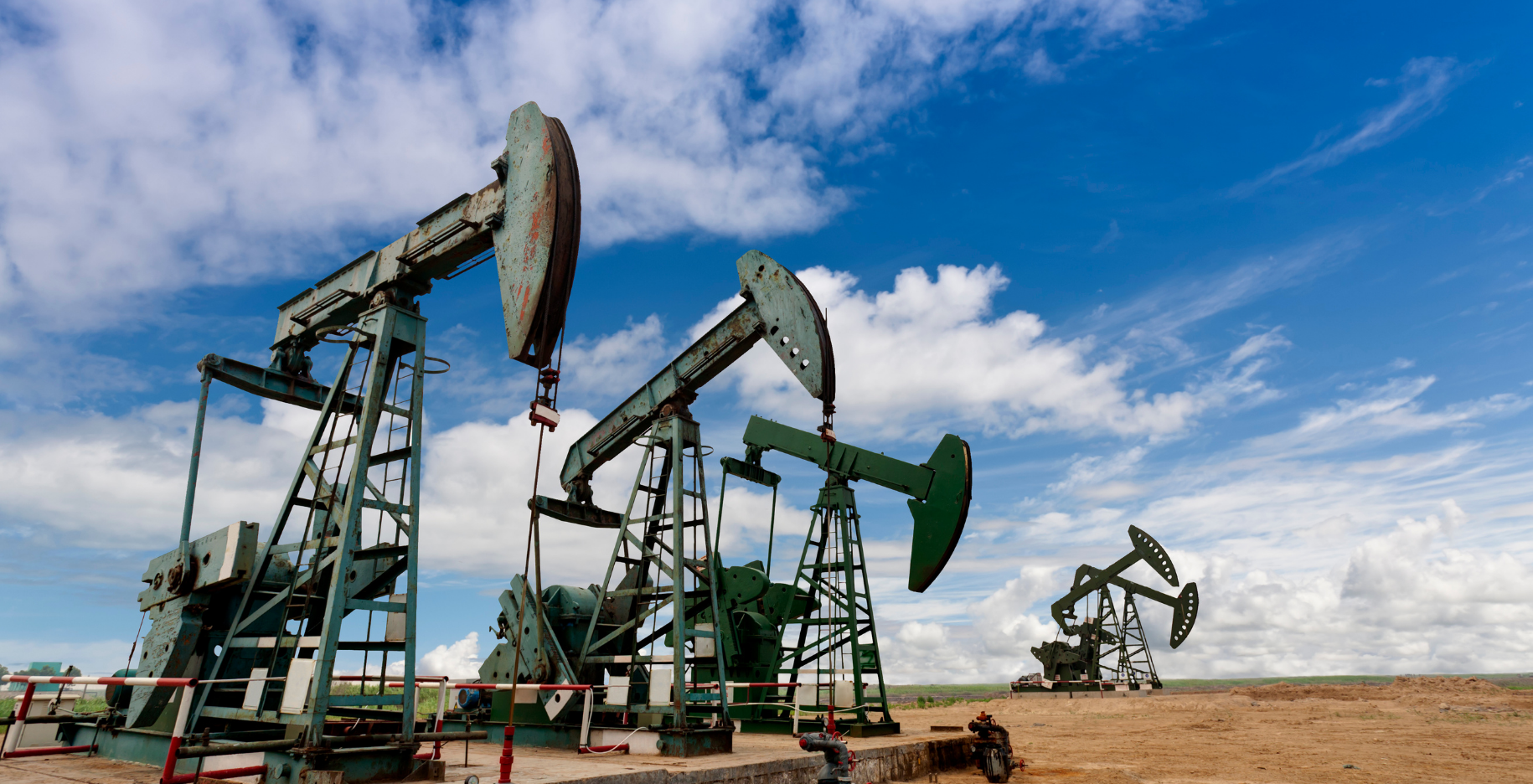
Disused oil and gas wells have been silently leaking pollutants into our collective air and soil for decades. In the United States, wells no longer in production and not properly sealed number between one and three million, according to the US Environmental Protection Agency. In Canada, the International Energy Agency estimates there are approximately 5,650 orphan wells and over 139,000 inactive wells. A legacy of more than a century of oil and gas extraction, they can be found in fields, parks, backyards, woodlands, and even under houses. Some are “abandoned” by known owners or operators; others are described as “orphaned,” when no responsible party can be found—perhaps because they have gone bankrupt or the business no longer exists, leaving responsibility in the hands of state, provincial or federal government entities.
Scores of these old wells are leaking methane, a greenhouse gas (GHG) far more potent than carbon dioxide and responsible for at least 25% of global warming. The Intergovernmental Panel on Climate Change (IPCC), the leading body for assessing the science related to climate change, recognizes reduction of methane emissions as the most effective immediate strategy for slowing down the trend. Plugging can also prevent leakage of other pollutants from wells, including brine, oil, hydrogen sulphide, benzene and arsenic, which can all poison soil and sometimes groundwater. But while the environmental case for capping abandoned and orphaned wells is clear, until recently there was no economic incentive to do it. The work—which involves injecting concrete into the well and capping it securely—is expensive. Costs vary depending on a well’s depth, condition and location, and range from $20,000 to more than $300,000, more for offshore sites.
The emergence of the voluntary carbon-credit market has transformed well-plugging into a viable industry—and a sizeable economic opportunity. Companies buy carbon credits, which represent verified reduction or removal of GHGs from the atmosphere, to offset their own emissions. And the market is growing. Corporate climate goals are expected to drive increased demand for carbon credits; by 2030, MSCI has projected the market will be worth $7 to $35 billion, rising to as much as $250 billion by 2050.
Well-capping is ideally suited to be tied to carbon credits that must be verifiable under established frameworks such as those created by the American Carbon Registry and Verra, a Washington DC-based non-profit that sets standards for high-impact climate action. It’s easier to quantify the environmental benefit of plugging a well than a forestry project, for example. The quantity of methane leaking from a well before plugging can be measured easily and a sealed well can be monitored over time to check that gas remains sequestered. Trees, on the other hand, can die or burn down, releasing carbon into the atmosphere. As methane’s global-warming potential is relatively high, so are the carbon credits contractors can claim for stopping it leaking into the air. A project that prevents one ton of methane seeping into the atmosphere can claim 28 to 36 times as many carbon credits as a project that avoids the emission of one ton of carbon dioxide.
All emerging industries bring new risks, and well-capping is no different. By finding practical solutions to these risks, however, insurers can play a crucial role in helping the nascent sector realize its potential. At Mosaic, we developed pioneering hybrid pollution coverage for the unique exposures of well-capping. Working closely with our partners at Aon and Tradewater, a mission-based company that implements projects to prevent release of GHGs into the atmosphere, we saw an opportunity to bridge the gap between traditional Contractors Pollution Liability (CPL) and standard Control of Well (COW) policies. While CPL typically covers pollution events and COW covers well control and redrill costs, neither fully addressed the needs of well-remediation projects. Our tailored solution combines core CPL coverage with a limited COW extension and offers more comprehensive protection for this evolving risk. The coverage ensures that if, for whatever reason, a capped well starts leaking again, funds will be available to re-plug it. And if plugging activities lead to contamination of land or water, the coverage will limit the contractor’s liability—paving the way for greater certainty. Effective risk solutions like this can protect investors, strengthen the business case for well-capping, and grow the scale of what’s fast emerging as a valuable industry.
It’s urgent work. The planet continues to warm. World Meteorological Organisation data show the past decade has included all 10 of the warmest years on record—while the number of abandoned and orphaned wells continues to rise. Well-plugging represents low-hanging fruit in climate-change mitigation, coupled with an opportunity for much economic growth. It’s an industry that makes sense environmentally and economically, and, importantly, can also maintain and generate jobs for oil and gas workers who may be displaced as the energy transition to renewables continues.
I see a significant role for insurers in this space. As well-capping gains momentum, our sector must step forward to enable its success. Within the environmental liability sector, our training as engineers, geologists, chemists and scientists, we can offer relevant expertise to increase safe outcomes for well mediation efforts. And by building tailored coverage for the unique challenges involved, companies like ours can also provide the financial security needed to scale up an industry that will have a beneficial impact for companies and communities.
Max Horn is an environmental liability underwriter for Mosaic Insurance. He oversees a diverse book of business, including brownfield redevelopment, complex property transactions, and operational risk. As part of this work, he has also developed market-leading carbon sequestration insurance solutions.